
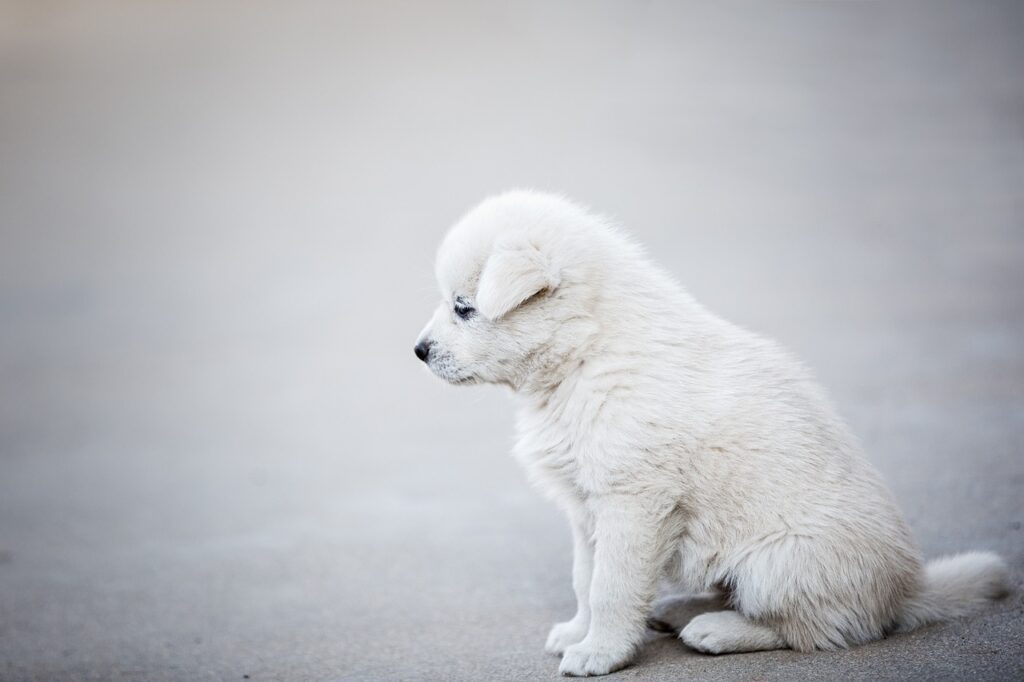
Separation anxiety in dogs is a common issue that many pet owners face. It can be distressing not only for the dog but also for the owner, affecting the overall harmony of the household. Understanding the causes and implementing effective prevention strategies can help in creating a stress-free environment for both you and your furry friend. This guide delves into the intricacies of separation anxiety, equipping you with expert insights and practical tips to manage and prevent this condition.
Understanding Separation Anxiety in Dogs
Separation anxiety occurs when a dog becomes overly attached to its owner or family and experiences extreme distress when left alone. It’s important to recognize the signs early to address the problem effectively.
Common Symptoms
1. **Destructive Behavior**: Chewing on furniture, scratching doors, and other forms of destruction when left alone.
2. **Excessive Barking or Howling**: Vocalizing more than usual, especially when the owner is away.
3. **Pacing**: Repetitive pacing in a fixed pattern.
4. **House Soiling**: Urinating or defecating indoors despite being house-trained.
5. **Escaping**: Attempts to escape from the house or yard.
6. **Self-Harm**: Licking or chewing paws excessively.
Causes of Separation Anxiety
Understanding the root causes of separation anxiety can help in preventing it. Here are some factors that may contribute:
1. **Change in Routine**: Sudden changes in the owner’s schedule or the environment can trigger anxiety.
2. **Lack of Socialization**: Dogs that are not accustomed to being alone may develop anxiety.
3. **Traumatic Events**: Experiences such as being abandoned or rehomed can lead to fear of being left alone.
4. **Genetic Predisposition**: Some breeds are more prone to anxiety due to their genetic makeup.
Preventive Measures for Separation Anxiety
Proactive measures can help prevent separation anxiety from developing or worsening. Here are some effective strategies:
Gradual Desensitization
Gradual desensitization involves slowly acclimating your dog to being alone. Start by leaving your dog alone for short periods and gradually increase the time as they become more comfortable. This technique helps build their confidence and reduces stress.
Establish a Predictable Routine
Dogs thrive on routine. Having a consistent daily schedule helps them feel secure and reduces anxiety. Try to maintain regular feeding, walking, and playtimes so your dog knows what to expect.
Create a Safe and Comfortable Space
Provide a designated area where your dog feels safe and secure. This could be a crate or a specific room with their bed, toys, and water. A calming environment can help ease their anxiety when you’re not around.
Positive Reinforcement Training
Use positive reinforcement to teach your dog that being alone is a good thing. Reward them with treats or praise for calm behavior when you leave or return home. Avoid making a big fuss when you leave or come back, as this can heighten their anxiety.
Increase Physical and Mental Stimulation
A tired dog is a happy dog. Ensure your dog gets plenty of physical exercise and mental stimulation to keep them occupied. Activities like puzzle toys, interactive games, and regular walks can help reduce anxiety by burning off excess energy.
Practice Short Departures
Practice leaving and returning home without making it a big event. Start with short departures and gradually extend the time you’re away. This helps your dog understand that you’ll always come back.
Training Techniques to Manage Separation Anxiety
If your dog is already experiencing separation anxiety, specific training techniques can help manage and reduce their symptoms.
Counterconditioning
Counterconditioning involves changing your dog’s emotional response to being alone. This can be achieved by associating their alone time with something positive, like a special treat or toy that they only get when you’re away.
Clicker Training
Clicker training is a form of positive reinforcement that can help modify your dog’s behavior. Use a clicker to mark and reward calm behavior, gradually increasing their confidence and reducing anxiety.
Behavioral Therapy
Professional behavioral therapy may be necessary for severe cases. An experienced dog trainer or animal behaviorist can provide a tailored plan to address your dog’s specific needs and help them overcome their anxiety.
Supplementary Support Options
In addition to training and preventive measures, other support options can help alleviate separation anxiety.
Calming Products
There are various products designed to help calm anxious dogs, including:
– **Calming Collars**: Infused with pheromones that mimic a mother’s comforting scent.
– **Anxiety Wraps**: Snug-fitting garments that apply gentle pressure, similar to swaddling.
– **Aromatherapy**: Essential oils like lavender can have a calming effect when used appropriately.
Medication
In some cases, medication prescribed by a veterinarian may be necessary to help manage severe anxiety. This should be used in conjunction with behavior modification strategies and under professional supervision.
Conclusion
Preventing and managing separation anxiety in dogs requires patience, consistency, and a comprehensive approach. By understanding the causes and implementing effective strategies, you can help your dog feel more secure and content when left alone. Remember, every dog is unique, and what works for one may not work for another. It’s essential to tailor your approach to your dog’s specific needs and seek professional guidance if necessary. With time and effort, you can create a stress-free home for both you and your beloved canine companion.
#ChatGPT assisted in the creation of this article.


