

Dog grooming is a big part of taking care of your pet and it’s something I’ve learned is really important for your dog’s health and happiness. When I groom my dog, I know it’s not just about making them look nice—it’s about keeping them clean, comfortable, and healthy. Regular grooming helps prevent skin problems, keeps their coat shiny, and even gives me a chance to check for any health issues early on. I’ve found that grooming also strengthens the bond between me and my dog, which makes it even more special. In this guide, I’ll share the essential dog grooming tips that I use to keep my dog’s skin healthy and free from common problems.
Understanding Your Dog’s Skin and Coat
Before diving into specific grooming practices, it’s essential to understand the different types of coats and how your dog’s skin differs from your own. Unlike human skin, which is thicker and less sensitive, dogs’ skin is thinner and more delicate. This makes them more prone to irritation, dryness, and infections if harsh products are used. Their skin also has a different pH balance, meaning that human shampoos, lotions, or soaps can disrupt their skin’s natural barrier and lead to discomfort or allergic reactions. That’s why it’s crucial to use grooming products that are specifically formulated for dogs, ensuring their skin remains healthy and irritation-free.
In addition to their sensitive skin, dogs come with a variety of coat types, which can further influence how you should approach grooming. Whether your dog has a short, medium, long, curly, or double coat, each requires different grooming techniques and tools to keep it in top condition.
Types of Dog Coats
- Short Coat: These dogs, like Boxers and Bulldogs, have dense, smooth coats that lie flat against their bodies. Regular brushing keeps their coats shiny and healthy.
- Medium Coat: Breeds such as Golden Retrievers and Border Collies fall into this category. Their coats require more frequent brushing to keep them free of tangles and mats.
- Long Coat: Long-haired breeds like Afghan Hounds and Shih Tzus need regular grooming to prevent their hair from becoming matted and tangled.
- Curly Coat: Poodles and Bichon Frises have tightly curled coats that require frequent brushing and occasional trimming to maintain their texture.
- Double Coat: Dogs like Huskies and German Shepherds have two layers of fur—a dense undercoat and a coarser topcoat. These dogs shed seasonally, so extra attention to grooming is necessary during these times.
Understanding Skin Sensitivity Dog Grooming
Dogs have skin that is quite different from human skin in several important ways. One of the key differences is the pH balance. While human skin tends to have a slightly acidic pH (around 5.5), a dog’s skin has a more neutral pH (around 7), which makes it more sensitive to products formulated for human use. This means that shampoos, lotions, or soaps designed for humans, which may contain harsh chemicals, fragrances, or artificial additives, can disrupt the natural pH balance of your dog’s skin. When this happens, it can lead to irritation, redness, dryness, itching, and even allergic reactions.
Using products specifically designed for dogs is crucial to maintaining the health and integrity of their skin. Dog shampoos and lotions are carefully formulated to match the pH level of a dog’s skin, ensuring they clean effectively without causing harm or irritation. These products also contain ingredients that are gentle and non-toxic to your pet, which helps avoid reactions like rashes or skin burns that might occur with human products.
In addition to protecting the skin from irritation, dog-specific grooming products are designed to help maintain hydration. Just like humans, dogs can suffer from dry skin, especially in harsh weather conditions like hot summers or cold winters. Products like moisturizing shampoos, conditioners, and skin balms help replenish the moisture in your dog’s skin, preventing it from becoming dry or flaky. Hydrated skin is not only more comfortable for your pet, but it also functions better as a barrier to harmful bacteria, fungi, and other pathogens.
Using the right products is important for reducing itching and infection risks. Dry, irritated, or damaged skin is more likely to get infected. Scratching or licking the area makes it worse. Many dog grooming products have soothing ingredients like oatmeal, aloe vera, and chamomile. These ingredients calm itching and reduce inflammation. They also protect the skin from bacterial and fungal infections, which are common in dogs with irritated skin.
Essential Dog Grooming Tools
To keep your dog’s skin healthy, having the right grooming tools is essential. These tools make the grooming process easier, more effective, and more enjoyable for both you and your dog.
- Brushes and Combs: These tools help keep your dog’s coat in top condition, whether you’re detangling, removing loose hair, or distributing natural oils.
- Slicker Brush: Ideal for medium to long-haired dogs to remove mats and tangles.
- Bristle Brush: Best for short-haired dogs to remove loose hair and distribute oils.
- Undercoat Rake: Perfect for double-coated breeds to remove shedding undercoat hair.
- Wide-Toothed Comb: Helps detangle long hair and smooth out the coat.
- Shampoo and Conditioner: Always opt for dog-specific shampoos and conditioners made from natural ingredients. These products help keep your dog’s skin healthy and free from irritation.
- Nail Clippers: Regular nail trimming prevents overgrowth and reduces the risk of painful health issues. Choose the right clippers for your dog’s size and nail thickness.
- Ear Cleaners: Regularly clean your dog’s ears with a vet-recommended ear cleaner to prevent infections and discomfort.
- Toothbrush and Toothpaste: Oral health is often overlooked in dog grooming. Regular brushing helps prevent plaque buildup and promotes overall health.
Top Dog Grooming Practices for Healthy Skin and Coat
With the right tools in hand, it’s time to focus on the best practices for dog grooming. These practices not only keep your dog looking great but also ensure their skin and overall health stay in top condition. Here are some of the most important grooming habits to adopt for a healthy, happy dog:
Regular Brushing Dog Grooming
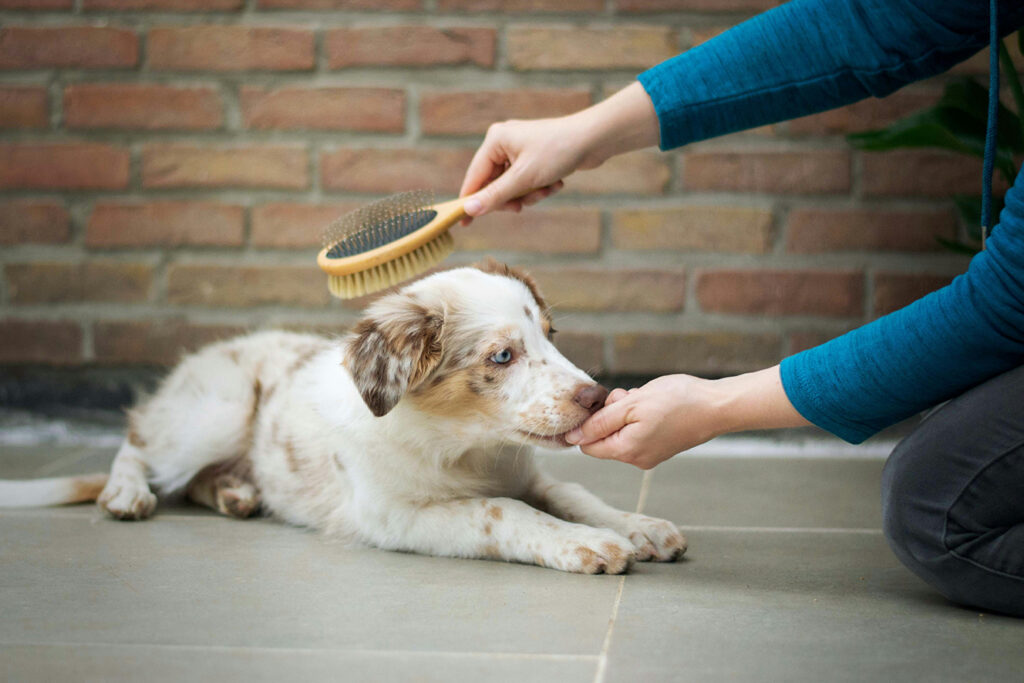
Brushing your dog’s coat is essential for maintaining a healthy coat and skin. It not only helps to keep the coat looking neat and shiny but also prevents tangles, mats, and hairballs. Brushing removes dead hair and debris from the coat and stimulates the skin, which improves blood circulation and promotes healthy hair growth. Additionally, brushing helps to distribute the natural oils produced by your dog’s skin, which helps keep the coat soft and shiny.
The frequency of brushing depends on the type of coat your dog has:
- Short-haired dogs: Typically require brushing once a week. This is enough to remove loose hair and prevent excessive shedding.
- Medium to long-haired dogs: These dogs should be brushed several times a week to prevent tangles, mats, and keep the coat looking its best.
- Double-coated dogs: Breeds like Huskies or German Shepherds have a thick undercoat that sheds heavily, particularly during seasonal changes. These dogs require more frequent brushing, especially during shedding season, to remove loose undercoat hair and prevent mats from forming.
Regular brushing is also a great opportunity to check for any signs of skin irritation, parasites, or other health issues.
Bathing: The First Step to Dog Grooming
Bathing your dog is an important part of grooming. It removes dirt, debris, allergens, and oils from their skin and coat. But, too much bathing can strip natural oils. This leads to dryness and irritation. Most dogs need a bath every 4-6 weeks. However, this can vary by breed, coat type, and lifestyle.
If your dog enjoys outdoor adventures, they may need more frequent baths, while indoor dogs might need less. Always use lukewarm water and dog-specific shampoo that’s gentle on the skin. Human shampoos, with their harsher chemicals and different pH levels, can irritate your dog’s skin. You can also consider using a conditioner to help maintain moisture, especially for dogs with longer or curlier coats.
Nail Trimming
Regular nail trimming is essential for your dog’s comfort and health. Overgrown nails can lead to discomfort, affect their gait, and cause health issues like joint pain or difficulty walking. Depending on your dog’s activity level and the surfaces they walk on, nails may need trimming every 3-4 weeks. Active dogs who walk on rough surfaces may naturally wear down their nails, but regular trims are still necessary.
If you’re unsure about trimming your dog’s nails, consult with a professional groomer or veterinarian for guidance. It’s important to avoid cutting too short, as the quick (the blood vessel inside the nail) can be cut, causing bleeding. If you’re not comfortable trimming nails yourself, a professional can do it safely.
Ear Cleaning
Regular ear cleaning is important for maintaining your dog’s health and comfort. Dogs’ ears are prone to infections, especially those with floppy ears, as they can trap moisture and debris. Ear infections are painful and can lead to serious issues if left untreated. Using a vet-approved ear cleaner, gently wipe the outer ear with cotton balls to remove wax and dirt. Always avoid inserting anything into the ear canal, as this can cause damage.
If your dog’s ears have a strong odor, appear red, swollen, or are producing discharge, it could be a sign of an infection. In such cases, consult your vet for appropriate treatment.
Dental Care
Dental health is an often-overlooked aspect of dog grooming, but it’s just as important as the other aspects. Just like humans, dogs can develop dental problems such as tartar buildup, gum disease, and bad breath. By brushing your dog’s teeth regularly, you can help prevent these issues and keep your dog’s mouth fresh.
Use a dog-specific toothbrush and toothpaste, as human toothpaste can be harmful to dogs. Aim to brush your dog’s teeth a few times a week. In addition to brushing, consider offering dental chews or toys that help reduce plaque and tartar buildup.
Skin Inspections
Each time you groom your dog, take the opportunity to inspect their skin thoroughly for any abnormalities. Look for signs of redness, bumps, sores, or skin infections. It’s also important to check for parasites, such as fleas and ticks, which can cause irritation and transmit diseases. Early detection of any skin issues or health problems is vital for preventing more serious conditions down the road.
Additionally, pay attention to your dog’s coat for signs of excessive shedding or thinning, which could indicate nutritional deficiencies or health issues that require a visit to the vet.
Common Skin Issues and How to Address Them
Even with regular grooming, some skin issues may still arise. While proper care can help prevent many common problems, it’s important to be aware of potential skin issues that can affect your dog. Here are a few common problems and how to handle them:
Allergies
Just like humans, dogs can suffer from allergies, which can manifest through itching, redness, or even hair loss. These allergies may be caused by environmental factors like pollen, dust mites, or mold, or by certain foods or grooming products. Dogs with allergies often scratch or lick excessively in an attempt to relieve the discomfort.
How to handle it: If you notice your dog scratching, biting, or licking more than usual, it’s a good idea to consult your vet. They can determine the cause of the allergies, whether it’s food-related or environmental, and suggest appropriate treatment options. This may include medication, special shampoos, or a change in diet. In some cases, your vet may recommend allergy testing to pinpoint the exact allergen affecting your dog.
Parasites
Parasites such as fleas, ticks, and mites are common culprits behind skin irritation in dogs. Fleas, for example, bite your dog to feed on their blood, causing intense itching, redness, and sometimes infections from scratching. Ticks can transmit diseases like Lyme disease, and mites can lead to conditions such as mange, which causes hair loss and sores.
How to handle it: The best defense against parasites is regular use of vet-approved parasite preventatives, which can come in the form of topical treatments, oral medications, or collars. Regular grooming is also crucial for checking for parasites, especially after outdoor activities where your dog may come into contact with fleas or ticks. If you notice any signs of parasites, such as fleas jumping off your dog or ticks attached to their skin, consult your vet for proper treatment. Your vet may prescribe medications to eliminate the parasites and soothe any resulting skin irritation.
Hot Spots
Hot spots are painful, inflamed areas of skin that often appear as moist, red patches. They are typically caused by excessive licking, biting, or scratching due to irritation, allergies, or infections. Hot spots can develop rapidly and become quite severe if not treated promptly. They are most common in dogs with long coats, but any dog can be affected.
How to handle it: If you spot a hot spot on your dog, it’s important to clean the area gently with mild antiseptic wipes or a vet-recommended solution to prevent infection. After cleaning, you may need to apply topical medications prescribed by your vet to soothe the area and reduce inflammation. It’s also crucial to address the underlying cause of the hot spot—whether it’s allergies, parasites, or anxiety-induced licking. Keeping your dog from licking or scratching the area is essential, so your vet might recommend using an Elizabethan collar or other protective devices to prevent further irritation.
Dry Skin
Dry skin can be uncomfortable for dogs. It may cause flaking, itching, and redness. Over-bathing, harsh grooming products, or dry air can cause it. Cold weather can also contribute. Dry skin can also point to health issues, like allergies or hypothyroidism. Watch for symptoms and consult your vet if needed.
How to handle it: To help soothe dry skin, start by switching to a moisturizing shampoo and conditioner specifically designed for dogs. Products with natural ingredients, such as aloe vera or oatmeal, can help hydrate and calm the skin. Additionally, consider adding omega-3 fatty acids to your dog’s diet, as they are known to improve skin health and coat condition. If your dog’s dry skin persists or worsens, it’s best to consult with your vet. They may recommend specific treatments, such as medicated shampoos or supplements, to address the issue more effectively.
Final Thoughts on Dog Grooming
Dog grooming is important for your dog’s health, happiness, and comfort. By understanding your dog’s skin and coat needs and using the right tools, you can keep their skin healthy and avoid common problems. Regular grooming helps your dog look their best and lets you check their health. It’s also a great way to bond with your dog. If you’re unsure about grooming or notice skin issues, ask a groomer or vet for help. With regular care, your dog will be happy, healthy, and comfortable.


