I still remember the first time I saw a Tibetan Mastiff—it was impossible not to be impressed. With its massive size, thick mane, and dignified demeanor, it looked more like a lion than a dog. At that moment, I knew I had to learn more about this incredible breed. Whether you’re considering adding a Tibetan Mastiff to your family or simply fascinated by these majestic dogs, this guide will give you an in-depth look at their history, personality, and care requirements.
A Fascinating History
The Tibetan Mastiff is one of the oldest and most revered dog breeds in the world. Originating in the Himalayan regions of Tibet, Nepal, and India, these dogs were bred as guardians to protect livestock from predators like wolves and leopards. Their roots go back thousands of years, and they’ve played an important role in Tibetan culture.
What I find most fascinating about their history is their connection to Tibetan monasteries. They were often used to guard monasteries, earning a reputation as fearless protectors. Because they were isolated in the mountains for so long, Tibetan Mastiffs remained relatively unchanged for centuries, preserving their unique characteristics.
The breed made its way to Europe in the 19th century and eventually to the United States, where it gained recognition for its striking appearance and loyal temperament. Today, Tibetan Mastiffs are admired worldwide for their strength, beauty, and independent spirit.
Appearance and Physical Traits of the Tibetan Mastiff
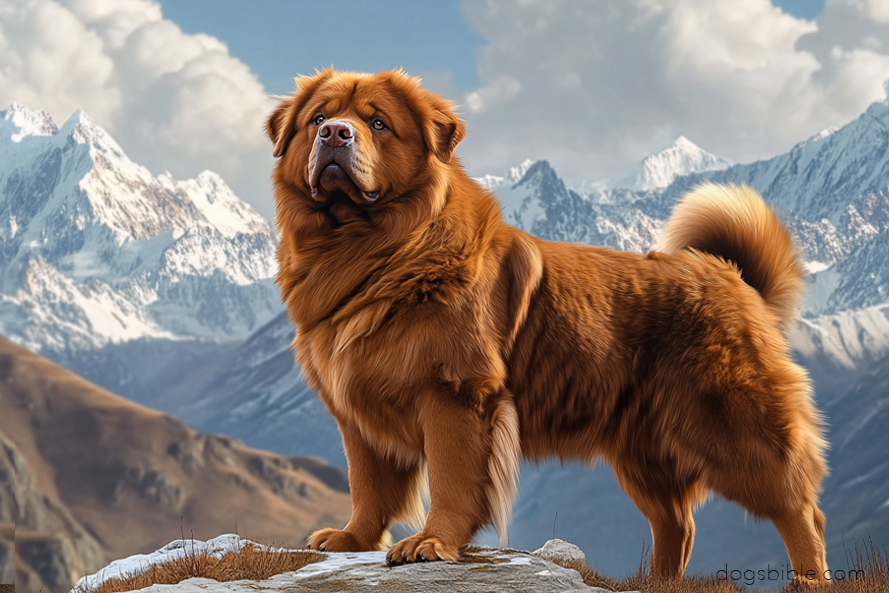
One look at a Tibetan Mastiff, and you’ll understand why it’s often called one of the most imposing dog breeds. Males can stand 26 inches or taller at the shoulder and weigh between 90 to 150 pounds—or even more. Females are slightly smaller but still impressive in size.
Their thick double coat is one of their defining features. It’s designed to withstand harsh mountain climates, and it gives them a lion-like mane around their necks, adding to their majestic appearance. Tibetan Mastiffs come in various colors, including black, brown, gold, and blue-gray. Their fluffy tails curl over their backs, further emphasizing their regal look.
Despite their large size, they carry themselves with elegance and confidence. I’ve always admired how they manage to be both powerful and graceful at the same time.

Temperament and Personality
Despite their imposing size, Tibetan Mastiffs are known for their calm and loyal nature. They are incredibly devoted to their families and form strong bonds with their owners. However, their independent and protective instincts mean they can be aloof around strangers.
These dogs are natural guardians and will not hesitate to protect their loved ones if they sense danger. Their territorial nature makes them excellent watchdogs, but it also means they require early socialization to prevent overprotective behavior.
While Tibetan Mastiffs are affectionate with their families, they also value their independence. They may not always seek constant attention but will remain close, observing their surroundings and keeping a watchful eye. Their gentle demeanor with loved ones contrasts with their alert and watchful nature, making them both loving companions and fierce protectors.
Owners often describe Tibetan Mastiffs as dignified and even-tempered. However, their independence can sometimes be mistaken for stubbornness. They prefer to make decisions on their own rather than blindly follow commands. This trait is part of their charm but also highlights the need for patient and consistent training.
These dogs are also known for their intelligence. They are quick learners and highly perceptive, often picking up on subtle changes in their environment or routines. This intelligence, combined with their loyalty, makes them deeply intuitive and connected to their families.
While they can be playful, Tibetan Mastiffs tend to be more laid-back than other breeds. They enjoy periods of activity followed by long stretches of rest, often content to lounge near their family while keeping a watchful eye on their surroundings.
Tibetan Mastiff Training and Socialization
Training a Tibetan Mastiff requires patience, consistency, and an understanding of their independent nature. These dogs are highly intelligent but can also be stubborn, so establishing yourself as a firm and confident leader is essential.
Early socialization is crucial to ensure they grow into well-adjusted and balanced adults. Introduce your Tibetan Mastiff to a variety of people, environments, and other animals from a young age. This exposure helps reduce their natural wariness of strangers and prevents overly territorial behavior.
Obedience training should begin early, focusing on positive reinforcement techniques such as treats and praise. Tibetan Mastiffs respond best to reward-based training rather than harsh methods, which can damage trust and lead to resistance.
Because of their size and strength, leash training is particularly important. Teaching them to walk calmly on a leash will make outings more manageable and enjoyable.
Mental stimulation is also key to keeping Tibetan Mastiffs engaged. Incorporating puzzle toys, interactive games, and advanced commands can prevent boredom and destructive behaviors. Training sessions should be kept short and varied to maintain their interest.
Owners should also remain mindful of their protective instincts. Tibetan Mastiffs need ongoing training and reinforcement to ensure they respond appropriately in different situations. Properly trained and socialized, they become well-mannered companions and reliable protectors.
Exercise and Activity Needs
Despite their large size, Tibetan Mastiffs are not overly active dogs. They enjoy moderate exercise, such as daily walks and playtime in a secure yard. However, they are not ideal for high-intensity activities like agility training.
These dogs thrive on routine, so establishing a consistent exercise schedule is beneficial. While they don’t require hours of physical activity, they do need regular opportunities to stretch their legs and burn off energy. Long walks or short hikes are great ways to meet their needs.
Mental stimulation is just as important as physical exercise. Interactive toys, puzzle games, and training exercises can help keep their minds sharp and engaged. Without enough stimulation, they may become bored, which can lead to undesirable behaviors like excessive barking or digging.
Keep in mind that Tibetan Mastiffs are nocturnal by nature and may be more alert during the evening hours. This behavior is rooted in their history as nighttime guardians.
Grooming and Maintenance
Taking care of a Tibetan Mastiff’s coat requires some effort, but it’s manageable with regular grooming. Their thick fur sheds seasonally, especially in spring and fall, so brushing a few times a week helps keep shedding under control. During shedding seasons, daily brushing may be necessary.
Bathing should be done as needed, but I’ve found that their coats naturally repel dirt, so they don’t require frequent baths. Regular nail trimming, ear cleaning, and dental care are also essential parts of their grooming routine.
Health and Lifespan
Tibetan Mastiffs are generally healthy dogs, but like all breeds, they are prone to certain health conditions. Common issues include hip and elbow dysplasia, hypothyroidism, and eye problems. Regular vet checkups and a balanced diet can help prevent many of these problems.
Hip and elbow dysplasia are common concerns in large breeds like the Tibetan Mastiff. These conditions occur when joints develop abnormally, leading to pain and mobility issues. Regular screenings and weight management can help reduce the risk.
Hypothyroidism, another potential issue, affects the dog’s metabolism and can lead to lethargy, weight gain, and coat problems. Blood tests and medication can effectively manage this condition if diagnosed early.
Eye problems such as entropion, where the eyelids roll inward, can also occur in Tibetan Mastiffs. This condition may require surgical correction, so regular eye exams are important.
Providing high-quality dog food tailored to their size and activity level is crucial. Tibetan Mastiffs do not require large quantities of food, as they have a slower metabolism than some other large breeds. Monitor their weight to avoid overfeeding, which can lead to obesity and joint problems.
Supplements like glucosamine and fish oil may benefit their joint health, especially as they age. Always consult your veterinarian for specific dietary recommendations.
Tibetan Mastiffs typically have a lifespan of 10 to 12 years, which is relatively long for a giant breed. Proper care, including regular exercise, a healthy diet, and routine veterinary visits, can help ensure they live a full and healthy life.
Is a Tibetan Mastiff Right for You?
Tibetan Mastiffs are not the right fit for every home, and it’s important to consider whether their needs align with your lifestyle. They thrive in homes with large, secure yards where they can roam and patrol. Apartment living isn’t ideal for them due to their size and guarding instincts.
They also do best with experienced dog owners who understand how to handle independent breeds. If you’re looking for a dog that’s fiercely loyal, protective, and full of personality, the Tibetan Mastiff might be a great match.
Final Thoughts
Owning a Tibetan Mastiff is a special and rewarding experience. These dogs aren’t just pets—they’re loyal protectors, loving companions, and impressive additions to any home. They do need time, patience, and care, but the connection you’ll have with a Tibetan Mastiff is truly one-of-a-kind. I’ve learned so much from spending time with this breed, and I can honestly say they’ve left a lasting impression on me. If you’re ready for the responsibility, they’ll reward you with love, loyalty, and a lifetime of unforgettable memories.