
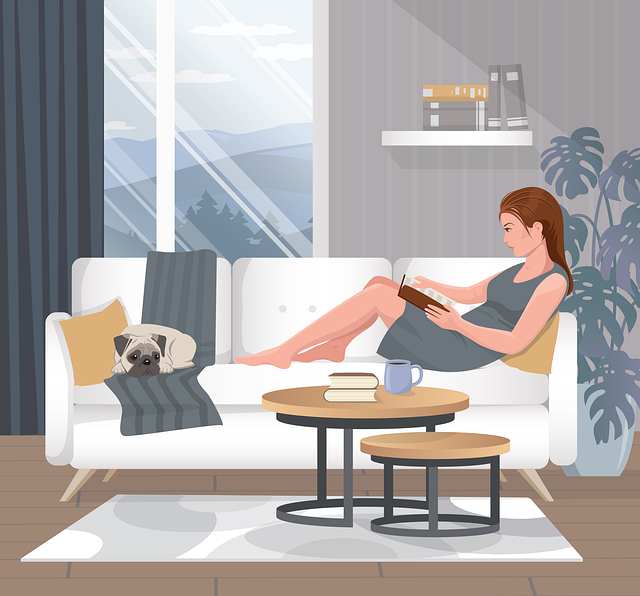
Bringing a dog into a new home is a significant event—for both the pet and its owner. Whether you’re adopting a puppy, rescuing an older dog, or moving with your current canine companion, the transition can be challenging. Dogs are creatures of habit and may find changes in their environment stressful. However, with careful planning and consideration, you can help your dog adjust to their new home smoothly and effectively. This guide will provide you with practical steps and insights to ensure a successful transition.
Understanding Canine Behavior and Stress
Before delving into specific strategies, it’s crucial to understand how dogs perceive changes. Dogs thrive on routine and can easily become anxious when their environment or daily habits are disrupted. Signs of stress in dogs can include excessive barking, destructive behavior, changes in eating habits, and withdrawal from interaction. Recognizing these signs early can help you address them before they develop into more significant issues.
Preparing for the Move
Preparation is key to a successful transition. Here are some essential steps to take before bringing your dog into a new home:
1. **Familiarize with the New Environment:** If possible, take your dog to visit the new home a few times before the move. Let them explore the area and become accustomed to the new scents and sounds. This can help reduce anxiety when the actual move occurs.
2. **Maintain Routine:** Try to stick to your dog’s existing routine as much as possible during the transition. Feeding times, walks, and playtime should remain consistent to provide a sense of stability.
3. **Prepare a Safe Space:** Designate a specific area in your new home where your dog can retreat and feel secure. This could be a crate, a comfortable bed, or a quiet corner. Fill this space with familiar items like their favorite toys or blanket.
4. **Pack Gradually:** Dogs can become anxious when they see their belongings being packed away. To minimize stress, pack their items gradually and leave their favorite toys and bedding out until the last moment.
The First Day in the New Home
The first day in a new home is crucial in setting the tone for your dog’s transition. Here is how you can make it as smooth as possible:
1. **Introduce the Home Slowly:** Allow your dog to explore the new home at their own pace. Start with one or two rooms and gradually introduce them to the rest of the house. Too much space at once can be overwhelming.
2. **Maintain a Calm Environment:** Keep the environment calm and quiet. Avoid having too many visitors or loud noises during the initial days. This helps your dog feel secure and reduces the likelihood of stress-induced behaviors.
3. **Monitor Your Dog’s Behavior:** Pay close attention to how your dog reacts to the new environment. Look for signs of stress or anxiety and address them promptly. Positive reinforcement with treats and praise can help them associate the new home with positive experiences.
Establishing a Routine
Once your dog has started to settle in, establishing a consistent routine is crucial. Dogs feel more secure when they know what to expect. A routine provides structure and helps reduce anxiety.
1. **Regular Feeding Times:** Stick to regular feeding times to provide a sense of predictability. Ensure that your dog’s diet remains consistent to avoid digestive issues during the transition.
2. **Exercise and Play:** Regular physical activity is essential for your dog’s physical and mental well-being. Establish a daily exercise routine that includes walks, playtime, and mental stimulation through training or interactive toys.
3. **Training Sessions:** Use training sessions to reinforce positive behaviors and build a bond with your dog. Training can also provide mental stimulation and a sense of purpose, which can help alleviate anxiety during the transition.
Addressing Behavioral Issues
Even with the best preparation, some dogs may exhibit behavioral issues when adjusting to a new home. Common issues include separation anxiety, excessive barking, and destructive behavior. Here’s how to address them:
1. **Separation Anxiety:** Gradually acclimate your dog to being alone by leaving them for short periods and gradually increasing the duration. Provide interactive toys or puzzle feeders to keep them occupied in your absence.
2. **Excessive Barking:** Determine the cause of the barking. It could be due to unfamiliar noises, boredom, or anxiety. Address the root cause and provide distractions, such as toys or background noise, to reduce barking.
3. **Destructive Behavior:** Ensure your dog has plenty of physical and mental stimulation. If destructive behavior persists, consider consulting a professional trainer or behaviorist for personalized advice.
Building a Strong Bond
Building a strong bond with your dog is essential for a successful transition. Here are ways to strengthen your relationship:
1. **Spend Quality Time:** Dedicate time each day to interact with your dog. Activities like playing, grooming, and training can help build a strong bond and reinforce trust.
2. **Communicate Effectively:** Learn to understand your dog’s body language and cues. Effective communication can help prevent misunderstandings and build a stronger connection.
3. **Positive Reinforcement:** Use positive reinforcement techniques, such as treats and praise, to encourage desired behaviors. This not only helps with training but also strengthens the bond between you and your dog.
Seeking Professional Help
If you’re struggling with the transition or if your dog exhibits severe behavioral issues, it may be beneficial to seek professional help. A certified dog trainer or animal behaviorist can provide personalized guidance and support to address specific challenges.
Conclusion
Introducing a dog to a new home is a journey that requires patience, understanding, and effort. By preparing adequately, establishing a routine, and addressing any behavioral issues promptly, you can help your dog adjust smoothly to their new environment. Remember, every dog is unique, and the time it takes for them to settle in may vary. With love, care, and consistency, you can ensure that your dog feels safe and happy in their new home, setting the foundation for a fulfilling relationship for years to come.
#ChatGPT assisted in the creation of this article.


