
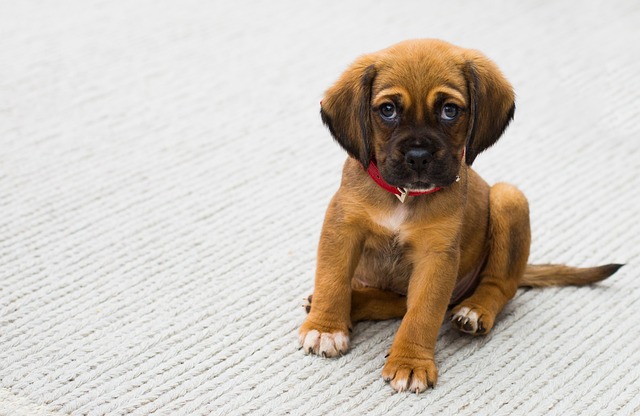
Welcoming a new puppy into your home is an exciting and heartwarming experience. However, along with the joy and cuddles comes a significant responsibility: potty training. Proper training is crucial to ensure a clean and happy home environment, and it sets the foundation for a well-behaved adult dog. In this article, we’ll explore proven strategies for quick success in puppy potty training, helping you and your puppy navigate this critical phase with ease.
Understanding Puppy Potty Training
Before diving into strategies, it’s essential to understand the basics of puppy potty training. Puppies, like human infants, don’t have full control over their bladder and bowel movements. It takes time and patience for them to learn where and when it’s appropriate to relieve themselves. Typically, puppies can start potty training as early as 12 weeks old, but remember that every puppy is different, and patience is key.
Establishing a Routine
One of the most effective ways to potty train your puppy is by establishing a consistent routine. Puppies thrive on routine, and it helps them understand what’s expected of them.
1. **Regular Feeding Schedule**: Begin by feeding your puppy at the same times every day. Regular feeding leads to regular bathroom breaks, making it easier to predict when your puppy will need to go.
2. **Frequent Bathroom Breaks**: Take your puppy outside frequently. A good rule of thumb is to take them out every two hours, as well as immediately after waking up, eating, drinking, or playing.
3. **Designated Potty Area**: Choose a specific spot in your yard for your puppy to use as their bathroom. Taking them to the same spot each time helps them associate the area with going potty.
Using Positive Reinforcement
Positive reinforcement is a powerful tool in puppy potty training. Rewarding your puppy for correct behavior encourages them to repeat it.
1. **Praise and Treats**: As soon as your puppy finishes their business in the designated potty area, praise them enthusiastically and offer a treat. The immediate reward reinforces the behavior.
2. **Consistency**: Consistently rewarding good behavior is crucial. Make sure everyone in the household follows the same routine and uses the same cues and rewards.
3. **Avoid Punishment**: Never punish your puppy for accidents. This can create fear and anxiety, making training more difficult. Instead, clean up the mess without fuss and reinforce positive behavior when it occurs.
Recognizing Signs
Being able to recognize when your puppy needs to go is a vital part of successful potty training. Puppies often exhibit specific behaviors when they need to relieve themselves.
1. **Restlessness**: If your puppy starts pacing, circling, or whining, it may be a sign they need to go outside.
2. **Sniffing**: Intense sniffing around a particular area can indicate they’re looking for a spot to relieve themselves.
3. **Sudden Stops**: If your puppy suddenly stops playing and seems distracted, it’s time to take them out.
Managing Accidents
Accidents are a natural part of the potty training process. How you handle them can influence your puppy’s progress.
1. **Stay Calm**: If you catch your puppy in the act, calmly interrupt them with a clap or a firm “no,” and immediately take them outside to their potty spot.
2. **Clean Thoroughly**: Use an enzymatic cleaner to remove all traces of the accident’s odor. This prevents your puppy from being attracted back to the same spot.
3. **Review Routine**: If accidents are frequent, revisit your routine. Are you taking your puppy out often enough? Are you recognizing their signs? Adjust as necessary.
Crate Training as a Tool
Crate training can be an invaluable aid in potty training if used correctly.
1. **Choosing the Right Crate**: The crate should be large enough for your puppy to stand, turn around, and lie down, but not so large that they can use one end as a bathroom.
2. **Positive Association**: Make the crate a positive space by feeding meals there and providing toys and treats. Never use it as a punishment.
3. **Crate Time**: Puppies should not be left in the crate for long periods. It should be used as a tool to manage unsupervised time and naps, not as a long-term confinement solution.
Patience and Persistence
Potty training a puppy is a journey that requires patience, persistence, and understanding. Each puppy learns at their own pace, and setbacks are normal. Stay committed to the routine, consistently reinforce positive behaviors, and remain patient.
1. **Celebrate Successes**: Even small victories are worth celebrating. Every time your puppy successfully uses the bathroom outside is a step in the right direction.
2. **Stay Positive**: Frustration can be a part of the process, but maintaining a positive attitude helps both you and your puppy. Remember, they’re learning and growing.
Common Mistakes to Avoid
Avoiding common mistakes can accelerate the potty training process and reduce frustration.
1. **Inconsistency**: Sticking to the schedule and routine is crucial. Inconsistency can confuse your puppy and slow down progress.
2. **Overreacting to Accidents**: Responding negatively to accidents can harm your puppy’s trust in you. Instead, focus on reinforcing good behavior.
3. **Skipping the Vet Visit**: Sometimes, frequent accidents can be a sign of a health issue. If you’re struggling despite your best efforts, consult a veterinarian to rule out any underlying problems.
Conclusion
Mastering puppy potty training is a rewarding process that strengthens the bond between you and your furry friend. By establishing a routine, using positive reinforcement, and understanding your puppy’s needs, you can achieve quick success. Remember, patience, consistency, and love are your greatest tools on this journey. With dedication and the right approach, your puppy will soon learn to navigate their new home responsibly, leaving you more time to enjoy the joys of puppyhood.
“`
#ChatGPT assisted in the creation of this article.


